Tokyo Otaku Mode and the Rise of Global Otaku Culture
Tokyo Otaku Mode has become one of the most recognizable platforms in the global anime merchandise industry. As otaku culture expanded worldwide, platforms like Tokyo Otaku Mode helped connect Japanese creators with international fans.
Otaku culture has exploded from niche Japanese subculture to a worldwide movement, fueled by streaming platforms, social media, and dedicated retailers like Tokyo Otaku Mode. What started as obsessive fandom for anime, manga, and video games now drives a multi-billion-dollar industry.
Tokyo Otaku Mode stands at the forefront, bridging Japanese creators with global fans through exclusive merchandise, apparel, and collectibles. This article dives into its role in the otaku evolution, exploring history, trends, and what’s next for fans everywhere.
What Is an Otaku?
The term otaku is widely used to describe a person who has a deep passion for anime, manga, and Japanese pop culture. Originally from Japan, the word once carried a somewhat negative meaning and was often used to describe someone who was overly obsessed with a specific hobby. Over time, however, the perception of the term has changed significantly.
Today, many fans proudly call themselves otaku as a way of expressing their enthusiasm for anime series, manga collections, cosplay, gaming, and collectible merchandise. As Japanese entertainment has gained global popularity, the otaku identity has evolved into a cultural label that connects fans from different countries who share the same interests in anime, manga, and related creative communities.
What Tokyo Otaku Mode Is
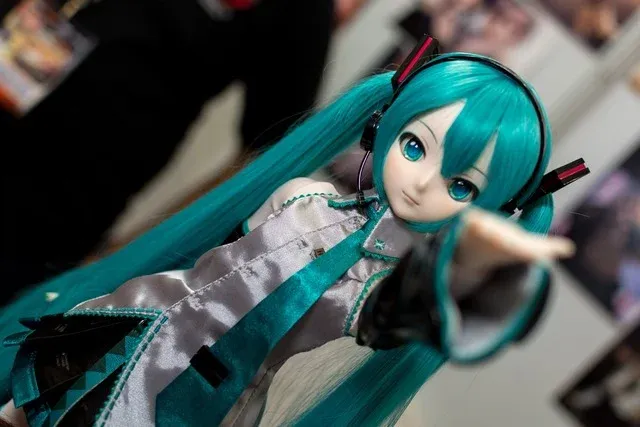
Tokyo Otaku Mode (TOM) is a leading online shop and media hub dedicated to anime, manga, and Japanese pop culture. Launched in 2008, it offers everything from high-end anime figures and plushies to streetwear-inspired apparel and exclusive collaborations. Unlike generic e-commerce sites, TOM curates items straight from Japan, often featuring limited-edition drops from brands like Good Smile Company and Aniplex.
Fans love Tokyo Otaku Mode for its user-friendly interface, frequent flash sales, and original content like artist interviews and cosplay features. It’s not just a store—it’s a community portal with blogs, newsletters, and a shop app that notifies users of restocks. For global otaku, TOM solves the hassle of importing from Japan, shipping worldwide with competitive prices and reliable tracking. In 2025 alone, it reported record sales during events like Anime Expo, proving its dominance in the anime merchandise space.
History of Otaku Culture in Japan
Otaku culture traces back to the 1970s in Japan, born from sci-fi fan clubs and early anime like Astro Boy and Mobile Suit Gundam. The term “otaku”—meaning “your house” but slang for obsessive fans—gained traction in the 1980s amid the manga boom. Akihabara in Tokyo emerged as ground zero, transforming from an electronics district into a neon-lit paradise of maid cafes, figurine shops, and arcades.
The 1990s marked a turning point with hits like Neon Genesis Evangelion, which delved into psychological depth and spawned massive merchandising. Controversies, like the 1989 Tsutomu Miyazaki case, stigmatized otaku as reclusive weirdos, but creators like Hayao Miyazaki and CLAMP pushed back with mainstream appeal. By the 2000s, Pokémon and Dragon Ball went global, laying groundwork for today’s explosion. Japan’s otaku economy now rivals Hollywood, with the market valued at over ¥2.5 trillion ($17 billion) in 2025.
How Anime Merchandise Became Global
Anime merchandise went global thanks to digital streaming and e-commerce. Netflix, Crunchyroll, and HIDIVE made series like Attack on Titan and Jujutsu Kaisen accessible worldwide, turning casual viewers into collectors. Platforms like Amazon and Etsy democratized access, but specialists like Tokyo Otaku Mode refined it with authentic imports.
Key drivers include conventions (Comic-Con, Otakon) and social media influencers unboxing hauls on TikTok and Instagram. The COVID-19 pandemic accelerated this—locked-down fans splurged on figures, boosting sales 40% year-over-year per Statista. Today, U.S. and European otaku rival Japan’s, with Seoul and São Paulo hosting massive anime markets. TOM’s role? It ships to 200+ countries, offering English support and bundle deals that make rare items like Demon Slayer nendoroids attainable.
Why Anime Fans Collect Figures
Anime figures aren’t just toys—they’re emotional investments. Fans collect scale figures (1/7, 1/6) from brands like Kotobukiya for their hyper-detailed sculpts, capturing iconic poses from One Piece or Spy x Family. Psychological pulls include nostalgia (reliving childhood shows), status (displaying rare grails), and the “waifu/husbando” phenomenon—idealized characters providing comfort.
Collecting fosters creativity; many customize figures or build shelf displays as art installations. Economically, it’s smart—limited editions appreciate, with some Evangelion pieces reselling for 10x retail on eBay. A 2024 survey by Newzoo found 62% of global otaku own 10+ figures, driven by FOMO from TOM’s sold-out alerts. It’s therapeutic too, combating stress in a fast-paced world.
From Akihabara to Global Dominance
| Category | Historical & Industry Data (2025-2026) |
|---|---|
| Origin Era | 1970s-1980s (Japan); Global explosion in 2010s. |
| Cultural Heart | Akihabara, Tokyo (Physical); TOM & Reddit (Digital). |
| Economic Value | Estimated at ¥2.5 Trillion ($17 Billion) annually. |
| TOM Core Service | Direct-from-Japan authentic figures, apparel, & media. |
| Top Markets | USA, Japan, Europe, Seoul, and São Paulo. |
| Collector Demographics | 62% of global fans own 10+ scale figures or Nendoroids. |
Online Otaku Communities
Digital spaces supercharge otaku culture. Reddit’s r/anime (3M+ members) debates episodes; Discord servers host watch parties; and Twitter/X trends like #AnimeArt explode daily. Tokyo Otaku Mode amplifies this with its forums, where users share hauls and cosplay tips.
Global hubs include MyAnimeList for reviews, Pixiv for fanart, and Facebook groups for trades. In Skopje or Sydney, fans connect via these, forming bonds that transcend borders. Livestreams on Twitch (e.g., Hololive VTubers) blend gaming and anime, drawing millions. These communities drive trends— a viral TikTok can skyrocket a figure’s demand—making otaku culture collaborative and ever-evolving.
Economic Impact of the Otaku Boom
The otaku wave reshapes economies. Japan’s “Cool Japan” initiative exports culture via merchandise, tourism (Akihabara visits up 25% in 2025), and licensing. Globally, it creates jobs in localization, 3D printing, and e-commerce. U.S. anime retail hit $1.5 billion last year, per NPD Group, with TOM contributing through partnerships.
Sustainability challenges loom—fans demand eco-friendly figures amid plastic waste concerns. Still, blockchain NFTs and AR apps promise virtual collecting, blending physical and digital economies.
The Future of Otaku Culture
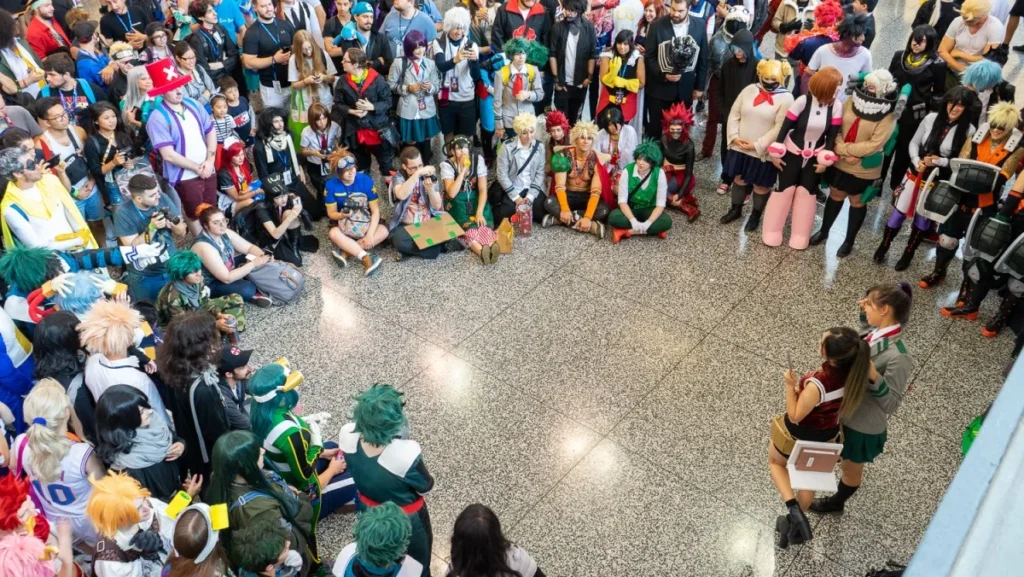
Otaku culture heads toward mainstream fusion. AI-generated anime (like recent Sora tools) and VR experiences will personalize fandom. Web3 could tokenize figures for true ownership, while Hollywood crossovers (One Piece live-action) pull in normies.
Tokyo Otaku Mode eyes metaverse shops and AI recommendations. Inclusivity grows—diverse series like Blue Eye Samurai attract broader audiences. By 2030, expect otaku to influence fashion (Uniqlo collabs) and music (anime OST festivals). Challenges like IP crackdowns persist, but passion endures.
Tokyo Otaku Mode Fan Stories and Community Voices
One of the most interesting aspects of Tokyo Otaku Mode is the way it highlights the stories of anime fans around the world. Beyond selling figures and collectibles, the platform regularly features interviews with cosplayers, artists, collectors, and longtime anime enthusiasts who share how otaku culture shaped their lives.
These fan stories often reveal how people discovered anime through childhood shows, online streaming platforms, or conventions and gradually became passionate collectors and community members. Tokyo Otaku Mode’s blog and social channels spotlight these experiences, showing everything from impressive figure collections to creative cosplay projects.
By giving fans a voice, the platform turns a simple online shop into a global community where people can celebrate their love for anime, connect with others who share the same passion, and inspire new fans to explore otaku culture.
Conclusion: Join the Global Otaku Revolution
Tokyo Otaku Mode exemplifies how otaku culture evolved from Japan’s back alleys to global shelves. Whether you’re hunting figures or joining Discords, it’s a vibrant escape. Start with TOM’s latest drop—what’s your next grail? As otaku culture continues to grow worldwide, platforms like Tokyo Otaku Mode play an important role in connecting fans with authentic anime merchandise and communities.
FAQ
Tokyo Otaku Mode is an online platform dedicated to anime merchandise, figures, and Japanese pop culture products.
Anime figures allow fans to celebrate their favorite characters while also building collectible displays and supporting creators.
No. Otaku culture started in Japan but has spread globally through anime streaming platforms and online communities.
Many fans purchase merchandise through specialized retailers like Tokyo Otaku Mode.
Disclaimer:
This article is for informational purposes only. Tsumino-Blog.com is not affiliated with, sponsored by, or endorsed by Tokyo Otaku Mode. All trademarks, logos, and brand names mentioned belong to their respective owners. While we strive for accuracy, some details about products, events, or fan stories may change over time. Readers should verify information with official sources before making purchases or decisions.
Explore More on Our Blog
If you enjoyed this article, discover more helpful guides, interesting facts, and inspiring ideas on Tsumino Blog.