Interesting Facts About Maui
Maui is an island paradise located in the Hawaiian archipelago. It is the second largest of the Hawaiian Islands and is often referred to as the Valley Isle. Maui is home to some of the most stunning landscapes, pristine beaches, and amazing wildlife. From breathtaking waterfalls and lush rainforests to picturesque towns and villages, Maui has something for everyone. It’s no wonder that it is a popular tourist destination. But there is more to this island than meets the eye. Here are some interesting facts about Maui that you may not know. Read interesting facts about Tahiti on the link.
Geography, History, and Natural Wonders
| Category | Interesting Maui Facts |
|---|---|
| Nickname | The “Valley Isle” (named by Captain James Cook). |
| Highest Point | Haleakalā Volcano at 10,023 feet. |
| Original Settlers | Polynesians (arriving roughly 11th–12th century). |
| Unique Beaches | Known for dramatic black sand beaches at Wai’anapanapa. |
| Cultural Arts | Traditional Hula storytelling and ancient woodcarving. |
| Local Cuisine | Famous for fresh seafood, Poi, and traditional Luau feasts. |
Uncovering the Fascinating History of Maui
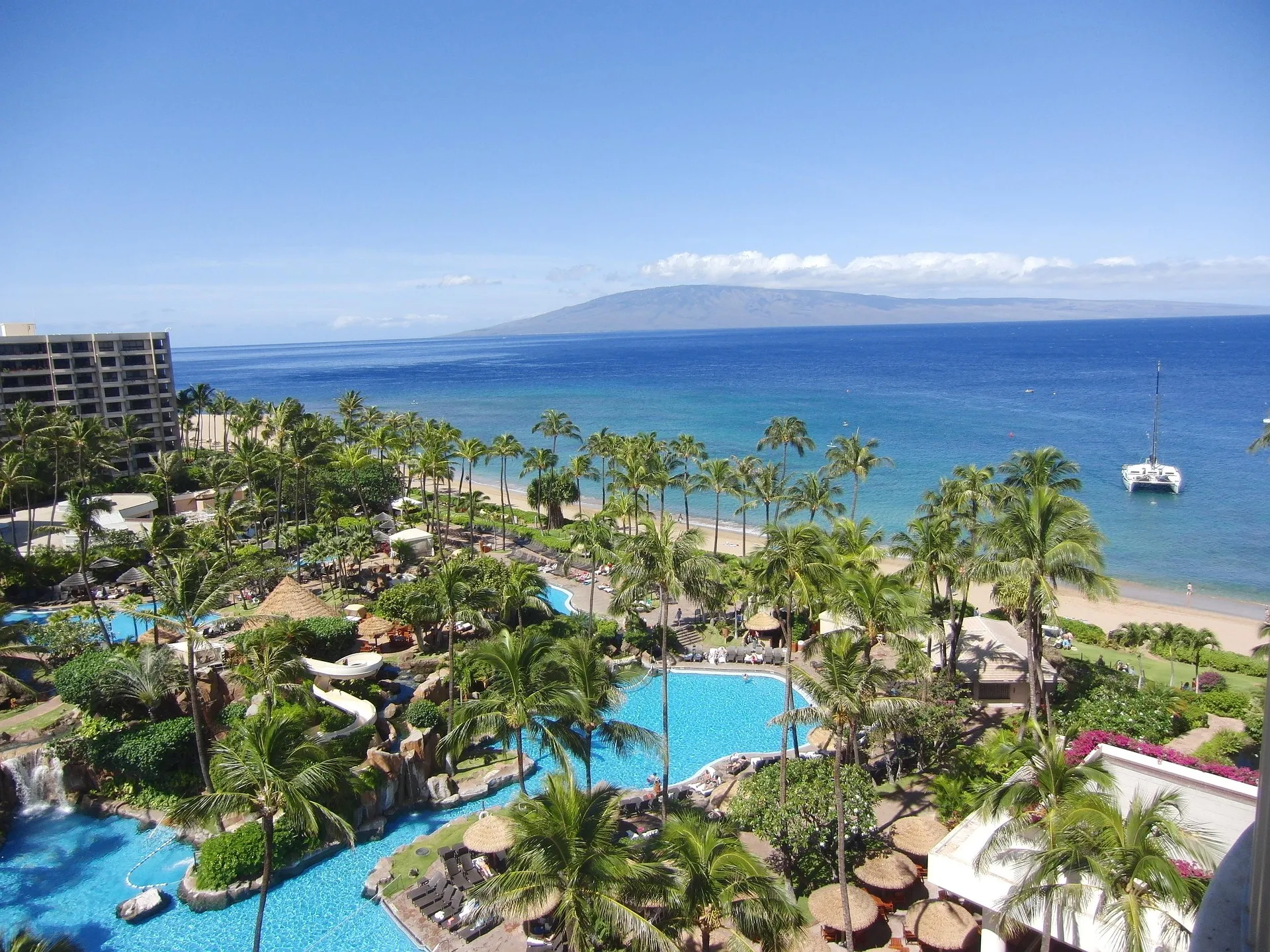
Maui, the second largest island in the Hawaiian archipelago, is a popular destination for tourists from around the world due to its stunning beaches, lush tropical forests, and rich culture. But beneath its glittering beauty, Maui has a long and fascinating history that dates back centuries.
The earliest inhabitants of Maui were members of the Polynesian culture, who settled on the island sometime around the 11th or 12th century. These early settlers were highly skilled navigators and fishermen, and they developed an intricate system of aquaculture to sustain their villages, which were located along the coast.
In the early 17th century, the island was visited by English explorer-navigator Captain James Cook, who dubbed the island “The Valley Isle” due to its dramatic landscape. In the years that followed, the island was colonized by various countries, including England, France, and the United States. This period of colonization saw the introduction of Western technology and religion, which had a lasting impact on Maui’s culture.
Throughout the 19th and 20th centuries, Maui was a center of economic activity, with the sugar and pineapple industries providing much of the island’s economic stability. In 1959, Hawaii became an American state, and Maui was declared the official “Valley Isle”. Today, Maui is a popular tourist destination, and its diverse culture and unique landscape make it a fascinating place to explore.
From its earliest inhabitants to its modern attractions, Maui is a place with a rich and fascinating history. Whether you’re looking for adventure or relaxation, Maui has something for everyone.
Exploring the Natural Wonders of Maui
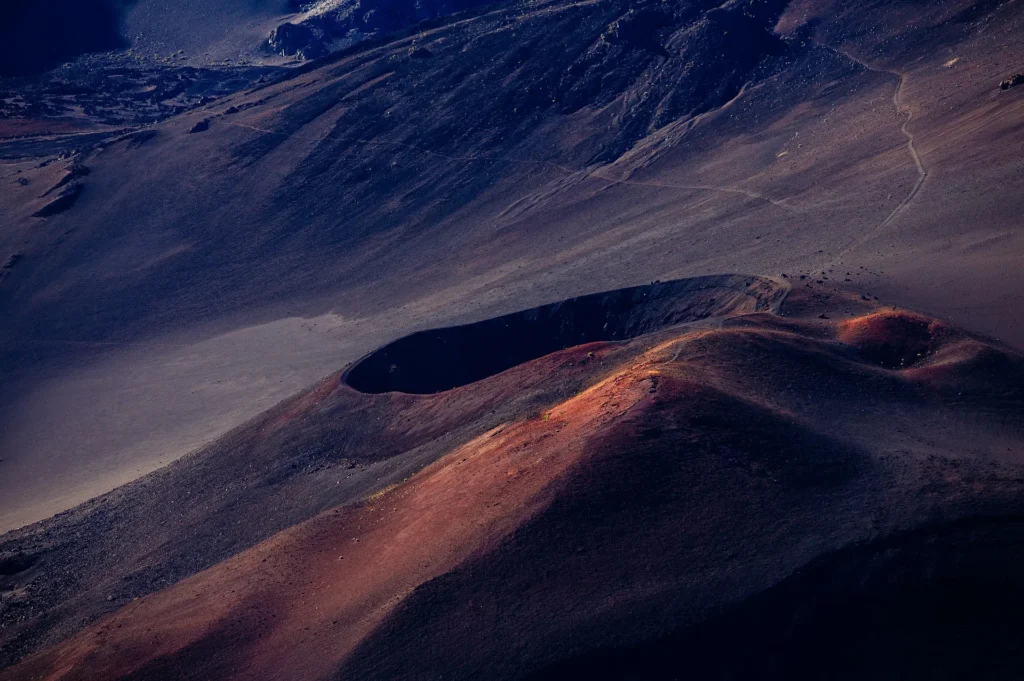
Maui, located in the Hawaiian archipelago, is home to some of the world’s most beautiful natural wonders. From towering mountains to lush rainforests and sparkling waterfalls, the island is a paradise for nature lovers.
The first of the island’s natural attractions is the Haleakala National Park, home to the 10,023-foot-tall volcano Haleakala. This park is known for its stunning crater, which is visible from many of Maui’s beaches. The park is also home to many species of native plants and wildlife, making it a great place for hiking and camping.
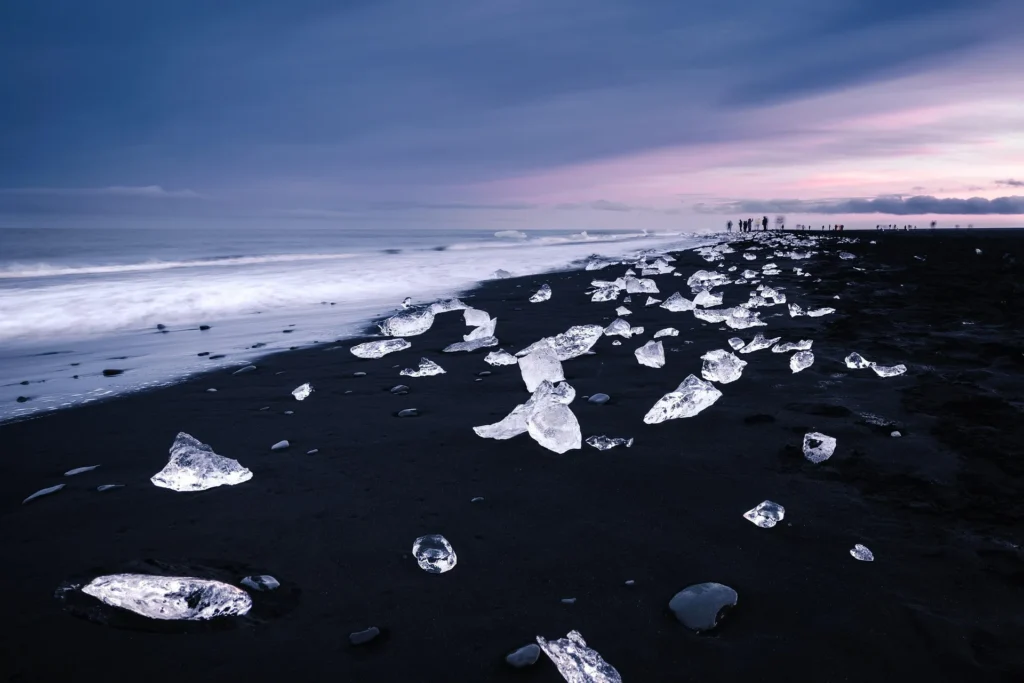
Another of Maui’s natural attractions is the Wai’anapanapa State Park. This park is located on the coast and is known for its dramatic black sand beaches. This park is also home to numerous sea caves, which are popular for snorkeling and diving.
The island’s rainforests are also a must-see. The Kula Forest Reserve is a great place to explore the lush vegetation and spot some of the island’s native wildlife. The Iao Valley State Park is another popular spot to explore, with its majestic Iao Needle rock formation.
Finally, Maui is also home to some of the most beautiful waterfalls in the world. Ohe’o Gulch is a popular destination, known for its numerous waterfalls and stunning turquoise pools. Waimoku Falls, located in Haleakala National Park, is also a must-see attraction.
Maui is truly a paradise for nature lovers. With its stunning landscapes and abundant wildlife, it’s no wonder why it is one of the most popular destinations in the world. Whether you’re looking to explore its forests, beaches, or waterfalls, there is something for everyone in Maui.
Whales, Giants, and the Road to Hana
Maui’s allure extends far beyond its shoreline, offering natural spectacles that are truly world-class. A primary highlight is the annual migration of Humpback Whales; from December through May, the shallow Au’au Channel becomes the world capital for whale watching as thousands of these majestic mammals arrive to breed and calve in the warm Pacific waters.
Back on land, the historic town of Lahaina is home to a legendary Banyan Tree—a massive living landmark planted in 1873 that has grown to become one of the largest in the world, spanning an entire city block with its intricate web of aerial roots. For those seeking the ultimate island journey, no trip is complete without traversing the Road to Hana.
This iconic drive is a feat of engineering and endurance, featuring 620 hair-pin curves and 59 bridges—most of which are only one lane wide—winding through a lush landscape of cascading waterfalls and emerald rainforests. These landmarks define the “Valley Isle” as a destination where the scale of nature is matched only by its breathtaking beauty.
Discovering the Unique Culture of Maui
Maui is one of the most beautiful and culturally rich islands in the world. It is an ideal destination for anyone looking to experience a unique and unforgettable vacation. The culture of Maui is a captivating mix of Hawaiian, Polynesian, and American influences.
The traditional culture of Maui is best exemplified by the local hula performances. Hula is a Hawaiian dance that is performed in a traditional style with chants and songs. It is a form of storytelling, and the stories can range from everyday events to legends from the past. The hula dances are mesmerizing to watch and show off the strength and grace of the dancers.
The islands of Maui also have an interesting mix of religions. While Christianity is the most popular religion in Maui, there are also many cultural and traditional beliefs that are followed by the locals. These include the ancient Hawaiian religion, as well as animism and ancestor worship.
The food in Maui has been greatly influenced by its geographical location. The mix of ingredients and flavors makes the food of Maui an exciting and flavorful experience. The island is known for its seafood dishes, as well as its traditional Hawaiian dishes such as poi and luau.
The culture of Maui is also steeped in the arts. There is a strong tradition of music and art in the islands. Many of the musicians and artists of Maui use traditional Hawaiian instruments and techniques to create their music. The art of Maui is unique and varied, ranging from traditional woodcarvings to modern paintings.
The culture of Maui is something that must be experienced to be appreciated. From the traditional hula dances to the flavorful food, there is something for everyone to enjoy in Maui. There is no better way to experience the culture of Maui than to visit the island and explore it firsthand.
The Rise of Maui’s Iconic Resorts
While Maui is world-renowned today for its sprawling, palm-fringed swimming pools and oceanfront suites, the island’s landscape looked vastly different just a few decades ago. A fascinating piece of island history is that Ka’anapali Beach Resort was actually the first master-planned resort area in the world, setting a global blueprint for tropical tourism that many other destinations eventually followed.
Before this transformation, the area was dominated by vast sugar cane and pineapple plantations that fueled the local economy. Today, these luxury enclaves in regions like Wailea and West Maui do more than just provide a place to sleep; they act as gateways to the island’s unique geography. Many resorts are built around sacred sites, such as the famous Black Rock (Pu‘u Keka‘a), where ancient Hawaiian legends say souls leaped into the spirit world. I
ncorporating these high-end destinations into your itinerary offers a unique perspective on how Maui successfully transitioned from an agricultural powerhouse into one of the most sought-after vacation spots on the planet, blending modern comfort with deep-rooted cultural heritage.
The Ultimate Maui Vacation Guide: Planning Your Perfect Escape
Navigating the “Valley Isle” requires a blend of adventure and strategic planning, making a comprehensive Maui vacation guide essential for any first-time visitor. When considering the best things to do in Maui, the options are as diverse as the landscape itself; you can spend your morning witnessing a surreal sunrise above the clouds at the Haleakalā summit and your afternoon snorkeling in the crystal-clear, crescent-shaped waters of Molokini Crater.
For those seeking the quintessential island experience, driving the iconic Road to Hana offers a rhythmic journey through lush rainforests and past towering waterfalls, while a sunset luau in Lahaina or Ka’anapali provides a deep dive into Polynesian heritage and local cuisine. To ensure a seamless trip, essential Hawaii travel tips include booking your rental car and popular excursions well in advance, as high demand can limit availability.
Additionally, remember to pack reef-safe sunscreen to protect the delicate marine ecosystems and always check local weather conditions before heading into the mountains or onto the trails. By balancing popular landmarks with quiet moments on the island’s famous gold and black sand beaches, you can create a vacation that is both exhilarating and restorative.
Final Thoughts on the Valley Isle
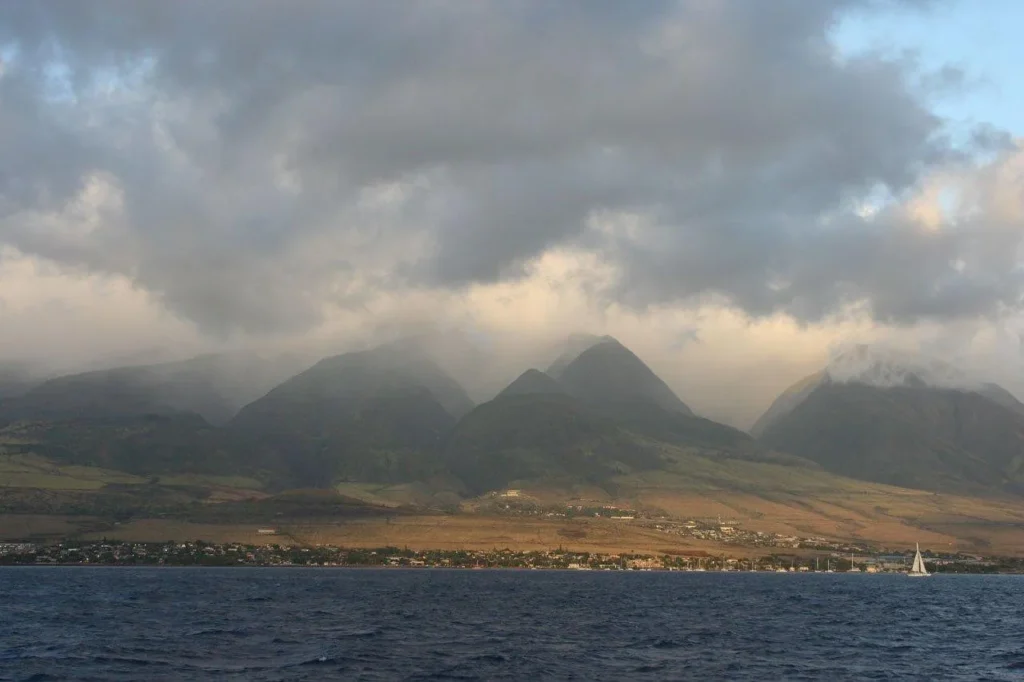
Maui is far more than just a collection of beautiful beaches; it is a living testament to the resilience of Polynesian culture and the raw power of nature. Whether you are standing atop the clouds at Haleakalā or walking the historic streets shaped by centuries of global influence, the island offers a rare balance of adventure and tranquility. As one of the crown jewels of the Hawaiian archipelago, Maui continues to captivate travelers not just with its scenery, but with the “Aloha spirit” that defines its people and traditions. For any traveler seeking a destination that nourishes both the spirit and the senses, the Valley Isle remains an essential journey.
Frequently Asked Questions (FAQ) about Maui
Maui earned this nickname because of the massive central valley that sits between its two major volcanoes, Haleakalā to the east and the West Maui Mountains.
The island was first settled by Polynesian voyagers, likely arriving between the 11th and 12th centuries. They established a complex culture centered on fishing and aquaculture.
Haleakalā National Park is the island’s most iconic site. It features a dormant volcano reaching over 10,000 feet and offers a unique, Mars-like crater landscape.
Yes, Maui is famous for its diverse coastline, including the dramatic black sand beaches at Wai’anapanapa State Park and world-class snorkeling in its sea caves.
Maui’s culinary scene is a mix of Polynesian and American influences. Traditional staples include poi (pounded taro root), fresh Pacific seafood, and the classic Luau feast.
Beyond visiting the beaches, attending a traditional Hula performance is the best way to understand the island’s history through dance and storytelling.
For more expert reviews and in-depth articles, visit tsumino-blog.com.