Why Eating Cheap Was Actually a Michelin Experience
We’ve all been there—or maybe still are there—the mysterious and magical place where your bank account says “Empty,” but your stomach says “Please, I’m hungry!” In those moments, something incredible happens: the birth of the Michelin-worthy feast known as “Eating Cheap.”
Forget foie gras, truffle oil, or fancy microgreens on a tiny plate that looks more like modern art than dinner. The true epicurean journey is found right in your humble kitchen, armed with whatever the grocery store clearance rack and pantry oddities throw at you.
The “Ingredients” — aka The Flavor Treasure Hunt
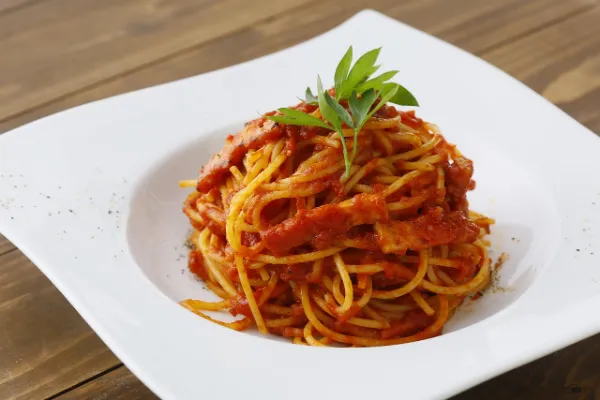
When you’re broke, ingredients are like treasure chests. Did someone forget that wilting carrot in the back of the fridge? Jackpot. That lone sad onion? Goldmine. Random noodles leftover from a Chinese takeout night three weeks ago? Perfect al dente base for the brokest of gourmet chefs.
This “ingredient discovery” game builds the kind of culinary creativity that Gordon Ramsay can only dream of—except your kitchen sounds more like The Great British Desperation Cook-Off. The magic is in making chicken broth from ramen seasoning packets or turning slightly expired canned beans into a decadent stew with a squeeze of mystery mustard.
The Michelin Star Mystery: How Cheap Equals Class
Michelin restaurants pride themselves on innovation and storytelling. Surprise surprise! Cheap home cooking is basically a one-chef show blending improv theater and chemistry experiments.
You learn the infinite ways to “elevate” plain pasta with a dab of salsa mystery sauce, a sprinkle of powdered cheese, and, if you’re feeling extra fancy, a dash of hot sauce that smells suspiciously like the stairwell vending machine’s forgotten reservoir.
And it’s not just the food. The “mood lighting” is often the flickering light bulb that’s about to die, and the “cutlery set” is your trusty, slightly bent fork that doubles as a toothpick.
The Euphoric Nostalgia of Cheap Eats
Here’s the secret sauce about cheap cooking: later on, the taste becomes MORE than just taste. It becomes a full sensory time machine. Those flavor explosions of burnt toast topped with peanut butter and jelly you ate as a college student? Suddenly, they seem finer than any crème brûlée you’ll find in Paris.
Why? Because those dishes are soaked in memories of survival, late-night study marathons, broke-but-hopeful rendezvous, and the pride of conjuring a meal from thin air. Michelin stars can’t bottle that kind of seasoning.
Michelin Standards vs. Broke Chef Reality
| The Michelin Experience | The “Broke Gourmet” Reality |
|---|---|
| Pristine, Locally-Sourced Greens | The “Survivor Carrot” found in the back of the fridge. |
| Precision “Sous-Vide” Technique | “Microwave Roulette” (Heating it until it screams). |
| Aged Balsamic Glaze (25-Year) | Leftover packets of Taco Bell Fire Sauce. |
| Storytelling via Flavor Profiles | Survival via Ramen-Seasoning Alchemy. |
| Ambient Jazz & Soft Lighting | The hum of a radiator & the blue glow of a laptop. |
Michelin Critics vs. The Broke Chef’s Inner Critic
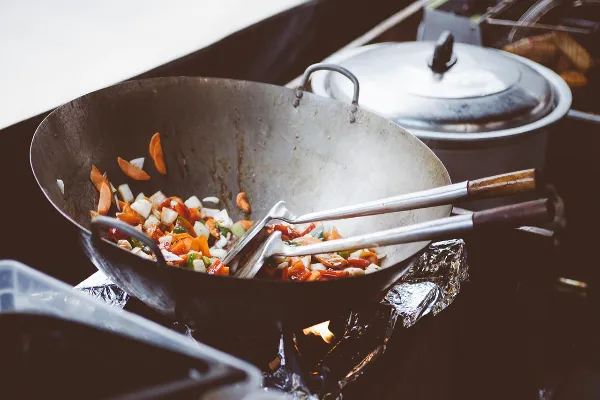
Where a Michelin chef agonizes for hours over plating symmetry and flavor pairing, the broke chef’s biggest critic is their own rumbling stomach and the fear of the smoke alarm.
“Is this edible?” “Will I survive the night on this soup?” “Did I really just invent a new condiment by accidentally mixing ketchup with apple juice?” These questions are the stuff of culinary legend. The Michelin Guide might not give out stars, but surviving your cheap kitchen’s improvised meal is a Michelin Challenge on its own.
The Michelin-secret Cooking Techniques of Broke Gourmets
- Refrigerator Roulette: Spin the fridge door open and hope the odd combo inspires a recipe.
- “Let’s Pretend It’s Fine” Seasoning: Use every imaginable sauce or spice just to mask that one suspicious smell.
- Stack-and-Toast Masterpiece: Why cook multiple dishes when you can make a sandwich that covers all the food groups in one precarious tower?
- Microwave Sous Vide: Because who has time or money for fancy gadgets? Quick heat is the way to go.
- “Oops, I Burnt It” Garnish: Charred food is just caramelized on steroids.
Why Food “Tastes Better When Broke”
Psychologically, cheap home-cooked meals trigger nostalgia bias, where survival-era flavors like ramen upgrades or fridge-scrap masterpieces gain amplified deliciousness through fond memories of creativity and triumph over scarcity. This “scarcity mindset” heightens sensory pleasure via dopamine rewards from resourcefulness, making improvised stews feel euphoric compared to abundant fine dining’s emotional flatness. Studies on hedonic adaptation show abundance dulls joy, but broke cooking’s high-stakes improv delivers peak satisfaction, proving budget bites often outshine Michelin excess psychologically.
Why Expensive Restaurants Should Be Jealous
At the expensive place, you pay for ambiance, service, and precision. But at your kitchen table with a thrift-store bowl, you get the full story: a dish crafted from passion, panic, and possibility.
Plus, there’s the satisfaction of knowing every bite didn’t cost more than your weekly bus pass. That’s a Michelin experience that promises not just flavor, but freedom.
The True Flavor of Broke Gourmet Brilliance
In the end, the joy of eating cheap isn’t just about saving money—it’s about transforming humble ingredients into unforgettable experiences filled with creativity, resourcefulness, and heart. Your so-called “broke meals” are a celebration of survival and imagination, crafting flavors that even Michelin kitchens can envy. Embracing the culinary adventure of cheap cooking proves that great taste isn’t priced by fancy utensils or pristine plating but by the passion and stories behind every bite. So next time you whip up a meal from the depths of your pantry, remember—you’re dining at your own personal Michelin table.
The Gourmet Adventures of the Broke Chef
In conclusion (but not really, because cheap cooking is endless), the next time someone tells you cheap food can’t compare to fine dining, just smile and offer them your mystery casserole with a wink. Because in the world of broke gourmet chefs, every meal is a five-star event written in the language of budget brilliance.
FAQ: Broke Gourmet Secrets
Nostalgia amplifies flavors from survival meals like ramen hacks or fridge-scrap stews, outshining pricey restaurant dishes due to emotional ties and creative triumphs.
Yes, cheap home experiments mimic Michelin innovation by turning clearance veggies into flavor bombs, often tasting superior through personal pride over sterile fine dining.
Improv with pantry odds like expired beans plus hot sauce creates euphoric tastes; pros prove $5-20 meals hit star quality via bold combos.
Often, yes—home broke feasts deliver better value with infinite nostalgia versus overpriced plates lacking your kitchen’s panic-fueled genius.